Flower Rose Font Y Review
As a designer who spends more time than I care to admit staring at stitch lines and testing fabric tension, I approach every new embroidery file with a healthy dose of skepticism. The market is flooded with generic assets, but finding a design that balances aesthetic charm with technical reliability is rare. Recently, I pulled Flower Rose Font Y from my library to evaluate for potential use in client projects and small business merchandise. After running it through various test scenarios—from soft cotton blends to structured canvas—I have formed a clear opinion on where this machine embroidery design truly shines and where it might cause headaches.
First Impressions: Mood and Visual Personality
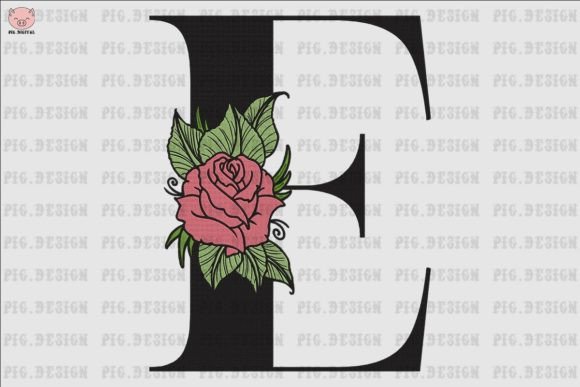
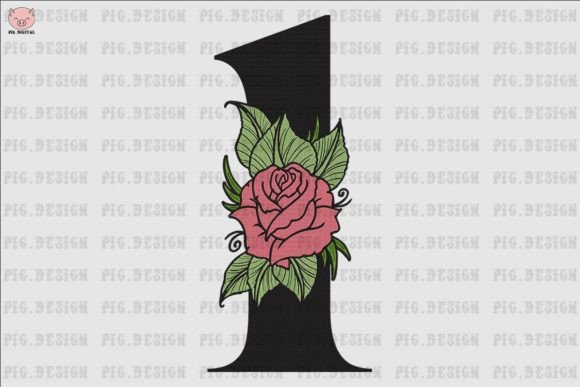
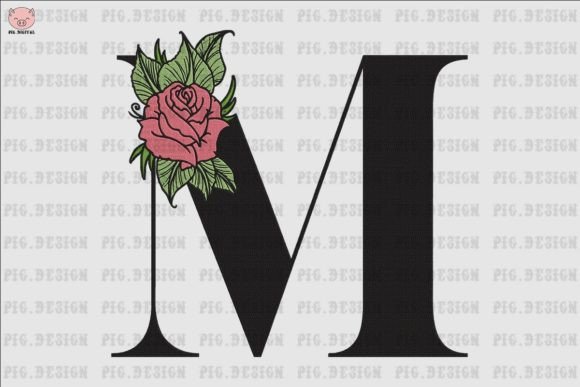
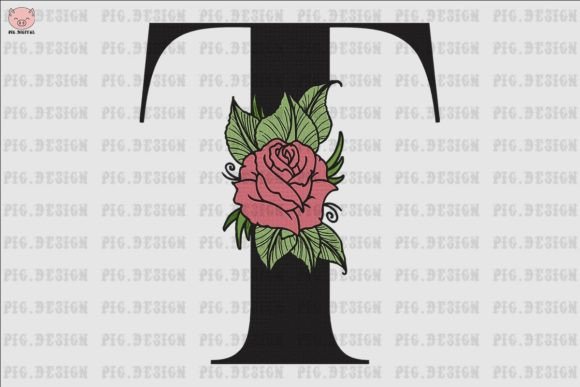
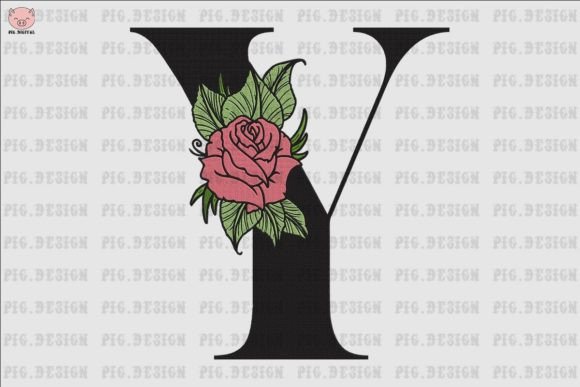
The immediate visual impact of Flower Rose Font Y is one of understated elegance. Unlike some font designs that rely heavily on heavy fill stitches or overly complex floral overlays, this design feels airy yet substantial. The integration of the rose motif with the lettering creates a cohesive unit rather than two competing elements. It evokes a mood that is romantic without being cliché, making it versatile enough for several distinct niches.
From a layout perspective, the spacing is generous, which is a designer’s best friend when it comes to legibility. The curves of the "Y" and the surrounding petals flow naturally, suggesting a design that was crafted with an understanding of how thread interacts with fabric grain. It doesn’t feel like a clip-art vector converted into stitches; it feels intentional. This level of thoughtfulness immediately signals higher perceived value to anyone viewing the finished product.
Real-World Application: Where It Fits Best
I tested Flower Rose Font Y across a variety of common embroidery project types to see how it translates from screen to stitch. The results were most compelling in the realm of personalized gifts and boutique apparel.
Custom Apparel and Sweatshirts: When placed on the chest of a crewneck sweatshirt or the back of a hoodie, the design commands attention without overwhelming the garment. The contrast between the delicate rose details and the texture of fleece or heavy cotton creates a tactile appeal that photographs beautifully. For an Etsy seller looking to create high-ticket custom pieces, this design offers a professional finish that justifies a premium price point.
Tote Bags and Canvas Goods: One of my favorite uses for this machine embroidery design is on sturdy tote bags. The structure of the letters holds up well against the coarse weave of canvas, and the rose accents add a touch of femininity that appeals to a broad demographic. It works exceptionally well for branded shopping bags for small businesses or as a standalone gift item.
Baby Items and Nursery Decor: The softer edges of the floral elements make this suitable for baby clothes, though I recommend using pastel thread colors to maintain a gentle aesthetic. On pillow covers or nursery wall hangings, the design adds a focal point that feels curated and thoughtful. It fits seamlessly into the current trend of handmade, artisanal home goods.
Technical Performance and Stitch Clarity
For a design to be commercially viable, it must stitch out cleanly. Flower Rose Font Y utilizes a mix of satin stitches for the outlines and fill stitches for the floral components. In my testing, the stitch density was balanced—dense enough to cover the fabric completely but not so dense that it caused puckering on medium-weight fabrics.
The transition points between the lettering and the flower elements are smooth, minimizing jump stitches and reducing the need for extensive trimming. This is crucial for efficiency in a production environment. However, designers should note that the finer details within the rose petals require a sharp needle and high-quality thread to fully resolve. Using low-quality polyester thread might result in fuzzy edges that diminish the design’s crispness.
Cautions and Limitations
No design is perfect for every situation. There are specific contexts where Flower Rose Font Y may struggle:
- Small Hoop Sizes: If you are working with very limited hoop space, the full width of the design might not fit comfortably. Ensure your hoop size constraints align with the design dimensions before starting.
- Textured or Stretchy Fabrics: While it performs well on stable knits and wovens, highly textured fabrics like bouclé or extremely stretchy spandex blends can distort the fine lines of the font. Always use an appropriate stabilizer to support the fabric structure.
- Dense Stitch Areas: Although the density is generally good, areas where the rose leaves overlap with the text can become thick. On thin fabrics, this may lead to transparency issues or stiffness. Test on scrap material first.
- Curved Surfaces: Attempting to embroider this directly onto a curved surface like a baseball cap requires careful digitizing adjustments. The flat layout of the design may not conform perfectly to the curve without distortion.
Design Advice for Makers and Sellers
To get the most out of Flower Rose Font Y, consider these practical tips:
- Thread Color Contrast: The design relies on definition. Avoid using light threads on light fabrics. High contrast ensures the rose details pop and the lettering remains legible.
- Mockup Testing: Before committing to expensive materials, view the design in black and white mockups. This helps you assess the balance of negative space and solid shapes.
- Stabilizer Selection: Use a cut-away stabilizer for knitwear and a tear-away for wovens, depending on the final wash requirements of the handmade product.
- Licensing Check: If you plan to sell finished items, verify the commercial license terms. Some digital embroidery files allow personal use only, while others permit unlimited commercial sales. Clarifying this protects your craft business from legal issues.
Final Verdict
Flower Rose Font Y is a strong addition to any designer’s toolkit. It strikes a difficult balance between decorative flair and functional clarity. Whether you are creating a personalized gift for a family member, producing a batch of custom apparel for a boutique, or designing assets for a small shop product line, this design delivers a polished, professional look.
It is particularly effective for brands that want to convey warmth, creativity, and attention to detail. By paying close attention to fabric choice, thread quality, and stabilization, you can ensure that the final finished product reflects the high standards expected by today’s discerning buyers. For those looking to elevate their embroidery project offerings with a touch of classic beauty, this design is a reliable and attractive choice.