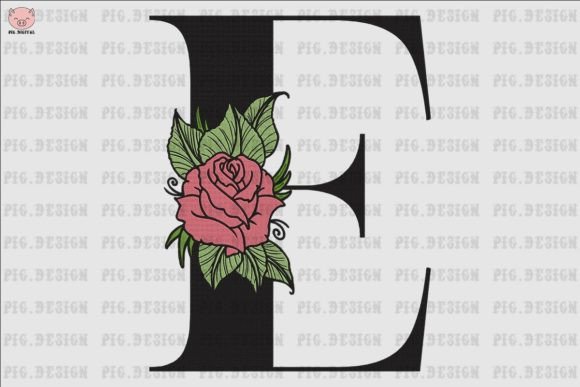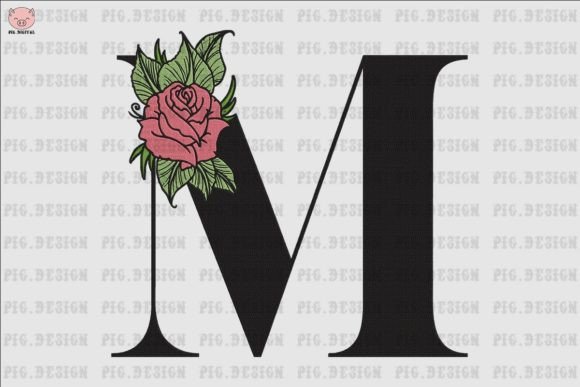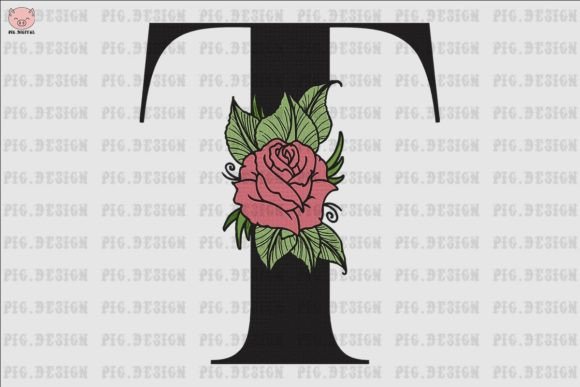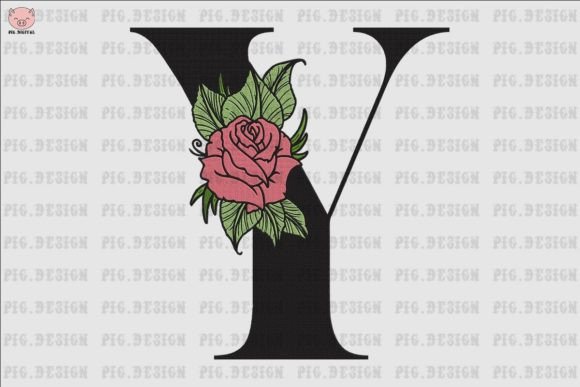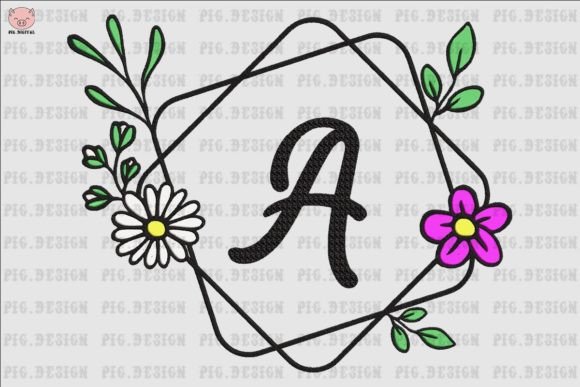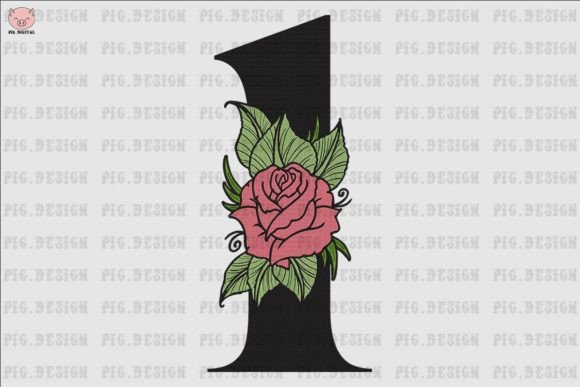
Flower Rose Font 1 Review
As an embroidery designer who has spent years turning digital files into tangible brand assets, I look at every new design file with a critical eye. It is not just about whether the design looks pretty on a screen; it is about whether it translates effectively to fabric, holds up under commercial scrutiny, and enhances the perceived value of a small business product. Today, I am reviewing Flower Rose Font 1, a machine embroidery design that markets itself as a versatile option for decorating clothes, home decor, and birthday gifts. But can it truly serve as a reliable asset for serious merch creators, Etsy sellers, and branded patch users?
First Impressions: The Visual Personality of Flower Rose Font 1
The title "Flower Rose Font 1" suggests a blend of classic elegance and approachable charm. From a design perspective, this font likely carries a romantic, perhaps slightly rustic or vintage aesthetic. When evaluating any embroidery file for business use, the first question is always about tone. Does it feel premium? Playful? Professional?
In the context of small business merch, Flower Rose Font 1 appears to strike a balance between decorative flair and readability. It is not a stark, corporate sans-serif; rather, it feels like a handmade product element. This makes it ideal for brands that want to convey warmth, creativity, and care. For a boutique owner selling handmade goods or a local florist looking to add a touch of nature to their packaging, this font offers a visual language that speaks directly to customers who value artisanal quality. However, designers must remember that decorative fonts often carry more visual weight than standard typefaces, which impacts how they stitch.
Real-World Business Applications
The true test of any digital embroidery file is its versatility across different merchandise types. Based on the description that this design works well on clothes and home decor, here is how Flower Rose Font 1 performs in specific commercial scenarios:
- Embroidered Patches: One of the most profitable items for craft businesses are embroidered patches. Flower Rose Font 1 could serve beautifully as the central text element on a circular or shield-shaped patch. Its floral elements can frame the text, creating a badge-like appearance that adds instant value to stickers, laptop decals, or denim jackets.
- Staff Uniforms and Aprons: For café owners or bakery operators, branding staff attire is crucial. A subtle application of this font on the chest pocket of an apron can elevate a plain uniform into a branded experience. It feels friendly yet polished, helping to build brand identity without being overly aggressive.
- Caps and Hats: Cap embroidery requires careful consideration of curvature. If the design includes curved lettering or soft edges, it may follow the contour of a baseball cap nicely. It works well for event merch or promotional giveaways where a softer, more inviting logo is preferred over a rigid corporate mark.
- Tote Bag Design: Tote bags are a staple for Etsy branding. Placing Flower Rose Font 1 centrally or as a corner stamp on canvas totes allows the texture of the fabric to interact with the stitches, enhancing the rustic or classic feel of the design.
- Product Packaging Accents: Beyond apparel, this design can be stitched onto hang tags or gift boxes. Adding a tactile, embroidered element to packaging significantly increases unboxing engagement and reinforces the idea of a high-quality finished product.
Where to Exercise Caution
Even a beautiful design has limitations. As an experienced designer, I advise caution when using Flower Rose Font 1 in the following situations:
- Small Patch Sizes: If you plan to produce very small patches (under two inches), intricate details in the font may merge together during stitching. Always reduce the size in your digitizing software before cutting fabric to ensure legibility.
- High Stitch Density Areas: Decorative fonts often have thicker outlines or filled areas. On lightweight fabrics like silk or thin polyester, this can cause puckering. Test on your actual target fabric to check for stability issues.
- Curved Surfaces: While caps are forgiving, highly structured hats or curved seams on work shirts can distort lettering. Ensure the design is properly hooped and stabilized to maintain shape integrity.
- Dark Uniforms: Contrast is key. If you are embroidering on dark uniforms, ensure you have enough thread coverage. Light-colored threads on dark backgrounds may require a higher stitch density or an underlay to prevent the fabric from showing through.
- Frequent Washing: For items like aprons or work shirts that undergo frequent laundering, the durability of the embroidery matters. Ensure the stabilizer is removed completely after stitching to prevent stiffness and wear.
Impact on Brand Identity and Customer Trust
In the world of handmade products and custom apparel, visual consistency builds trust. Using a cohesive design language across all touchpoints—from social media graphics to physical labels—helps customers recognize your brand instantly. Flower Rose Font 1 contributes to a brand image that is approachable, feminine, and detail-oriented.
When a customer receives a tote bag or a cap with a professionally executed Flower Rose Font 1 design, it signals attention to detail. It suggests that the seller cares about the quality of the final product. This perception of quality can justify higher price points and foster repeat business. Conversely, a poorly executed embroidery job can undermine even the best product. Therefore, the technical execution of this machine embroidery design is just as important as its aesthetic appeal.
Practical Designer Notes for Production
Before committing to bulk production or listing items for sale, follow these essential steps to ensure success with Flower Rose Font 1:
- Test in Black and White: First, simulate the design in black and white to check spacing and hierarchy. If it doesn't read well in monochrome, color won't save it.
- Check Hoop Size: Confirm the required hoop size matches your available equipment. Some complex designs may require larger hoops than anticipated.
- Review Thread Color Contrast: Select thread colors that offer sufficient contrast against your target fabric. Use a printable mockup to visualize the final look before stitching.
- Inspect Spacing: Look closely at the kerning (space between letters). In embroidery, tight spacing can lead to thread breaks or messy overlaps.
- Use Proper Stabilizer: Choose the right stabilizer (cut-away for stretchy fabrics, tear-away for wovens) to prevent distortion during stitching.
- Confirm Commercial Licensing: Most importantly, verify the licensing terms of the digital embroidery file. Ensure you have the right to sell finished goods made from this design. Never assume personal-use licenses allow for commercial resale.
- Create a Mockup: Before producing inventory, create a sample. Hold it up, wash it, and see how it wears. This step saves money and protects your reputation.
Flower Rose Font 1 is a strong candidate for businesses aiming to project a warm, elegant, and handmade aesthetic. By understanding its strengths and respecting its technical requirements, you can leverage this design asset to create memorable, high-value merchandise that resonates with your customers.