Pig Face: A Designer's Take on This Cute Embroidery Design
When I first opened the file for Pig Face, my immediate reaction wasn't just about the cute factor, but how it would translate into a physical product. As someone who spends hours evaluating digital assets for real-world application, I look past the preview image to see the stitching logic, the visual weight, and the potential for a finished product that actually holds value. This design belongs to the Farm Animals category, a perennial favorite, but not every farm animal motif works equally well across different mediums. My goal here is to give you an honest breakdown of where Pig Face shines and where it might need a second look before you hit "stitch."
The First Impression: Mood and Visual Personality
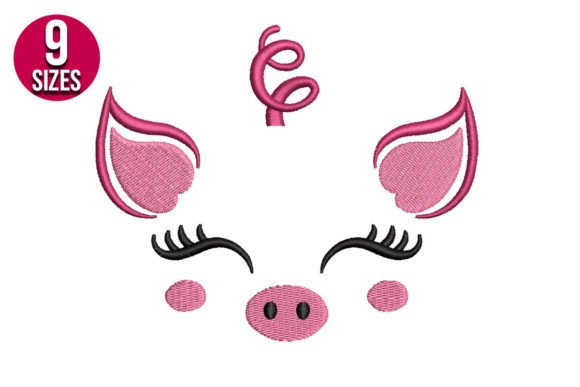
Pig Face exudes a playful, approachable energy. It feels like the kind of design that invites a smile rather than demanding attention with complex patterns. The layout appears centered and balanced, which is crucial for items like baby clothes or tote bags where symmetry matters. In terms of visual personality, this isn't a serious agricultural illustration; it is a stylized character designed to bring warmth to an item. For a designer looking to create personalized gifts or boutique products, this mood is gold. It signals friendliness and fun, making it an excellent choice for back-to-school designs or nursery decor.
The detail level seems appropriate for a general-purpose machine embroidery design. It likely avoids overly tiny elements that could get lost in dense fill stitches, ensuring the face remains recognizable even after multiple washes. If the design utilizes a mix of satin stitch for outlines and fill stitch for the main shapes, it will offer a nice texture contrast that elevates the final product beyond a simple printed graphic.
Real-World Application: Where Pig Face Fits Best
I often imagine how a design performs when I'm preparing a custom order for a client. Let's say you are an Etsy seller preparing a batch of handmade tote bags for a local craft fair. Stitching Pig Face onto a canvas tote creates an instant conversation starter. The design is large enough to be the focal point without overwhelming the bag's structure. Similarly, for a small business owner creating a line of kitchen towels, this motif fits perfectly in a holiday collection or as a whimsical addition to everyday home decor.
Consider the scenario of a sweatshirt embroidery project for a children's clothing brand. The soft curves of the pig face work well against the fleece texture of a hoodie, adding a tactile element that prints cannot replicate. For a cap or hat, the rounded shape of the face adapts nicely to the curved surface of the front panel. I also see great potential in using this design for embroidered patches that can be ironed or sewn onto denim jackets, giving them a unique, custom feel. Whether you are making a baby onesie, a pillow cover, or a set of matching aprons, Pig Face offers versatility that appeals to parents and crafters alike.
Navigating Technical Challenges and Fabric Constraints
While the concept is sound, no design is perfect for every situation. When working with Pig Face, there are specific areas where you must exercise caution. If you plan to use this on a stretchy fabric like jersey knit for t-shirts, you need to ensure you are using the correct stabilizer to prevent puckering. The density of the stitches in the snout or ears could cause the fabric to pull if not supported properly.
Small hoop sizes present another hurdle. If your design includes intricate details around the eyes or nostrils, testing it in a smaller hoop is essential. Sometimes, what looks clear on a screen becomes a muddy blob when stitched at a reduced scale. You should also be mindful of dark fabrics. If the design relies heavily on light thread colors for the facial features, the contrast might be too low on black or navy materials unless you adjust your thread selection or add a background underlay.
Textured fabrics, such as heavy corduroy or loose-weave linen, can sometimes swallow fine lines. If you are aiming for a crisp finish, a smoother cotton twill or polyester blend usually yields better results. Additionally, if you are producing items that require frequent washing, like baby clothes or kitchen towels, you must inspect the stitch density to ensure the threads won't snag or fray easily over time.
Impact on Product Value and Brand Perception
In the world of handmade products, the quality of the embroidery directly influences customer trust. A clean, well-executed Pig Face design signals professionalism. It tells the buyer that you care about the details. Conversely, a design that is poorly digitized or stitched incorrectly can make even the best product look cheap. When customers receive a personalized gift with sharp, consistent stitching, they are more likely to leave positive reviews and recommend your shop.
This design also has strong recognition potential. The pig motif is universally liked, which helps in marketing your finished goods. Whether you are creating printable mockups for your online store or showcasing finished products on social media, the visual appeal of Pig Face helps drive engagement. It adds a layer of charm that makes your brand feel accessible and creative. For commercial embroidery projects, having a versatile asset like this allows you to expand your catalog quickly without compromising on quality.
Practical Designer Notes Before You Stitch
Before you start mass-producing items with this design, there are several technical steps you should take. First, always test the design on scrap fabric that matches your intended project material. This allows you to check thread color contrast and ensure the stitch density is appropriate for the fabric weight. Reviewing the design in a black and white mockup can also help you visualize how the shadows and highlights will interact with the fabric.
Confirm your hoop size requirements to avoid any alignment issues during production. Check whether the design includes separate layers for applique if you plan to use that technique, though standard fill and running stitches are common for this type of motif. Inspect small details closely to ensure nothing is missing or distorted. If you are planning to sell finished items or distribute the digital embroidery file, double-check the licensing terms to ensure you have the right to use it commercially.
Finally, consider the stabilizer you are using. For a design like Pig Face, which likely requires stability to maintain its shape, a cut-away or tear-away stabilizer is often necessary depending on the fabric. By taking these practical steps, you ensure that your finished product stands out as a high-quality, handmade item that customers will love.