One Embroidery Design Review for Real Projects
As an embroidery designer who spends hours testing files before they ever reach a customer, I approach every new download with a mix of curiosity and caution. Recently, I came across One, a product listed under the Back To School category on Creative Fabrica. The description is brief: "A simple but very useful embroidery design, you can use it to mark anything you need as being the first." On the surface, it sounds like a basic numeral, but in my line of work, simplicity often hides the most versatile potential. I decided to put One through its paces to see if it belongs in a commercial workflow or just sits idly in a digital library.
First Impressions and Visual Personality
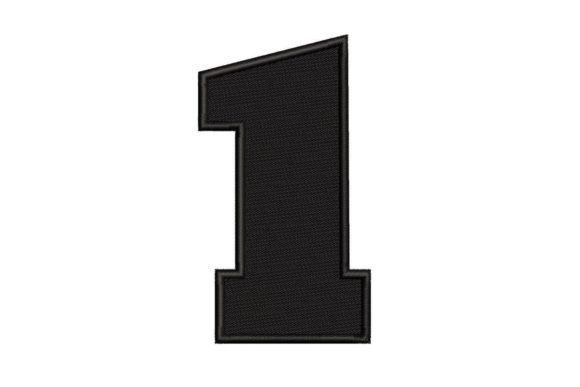
The moment I opened the file, the visual mood of One stood out immediately. It isn't cluttered with excessive decorative flourishes that might get lost on small fabric areas. Instead, it relies on clean lines and a confident stroke weight that suggests reliability. For a designer looking to create personalized gifts or custom apparel, this kind of clarity is gold. The design feels modern yet timeless, capable of sitting comfortably next to complex floral motifs or standing alone as a bold statement piece.
In terms of stitch personality, One appears to utilize a balanced mix of satin and fill stitches. This combination usually ensures that the digitized lettering holds its shape without becoming too stiff or puckering the fabric. When I looked at the preview mockups, the contrast between the thread colors and the background was sharp, which is critical for any machine embroidery design intended for resale. It has a decorative appeal that works well for nursery decor, where parents want something chic but not overwhelming, or for tote bag designs where legibility is paramount.
Real-World Application for Crafters and Sellers
I frequently review designs with specific projects in mind, and One immediately sparked ideas for several different product categories. Its primary strength lies in its ability to denote order, priority, or simply a starting point. Imagine a set of matching aprons for a cooking class where each one is numbered; One would serve perfectly as the opening piece. Alternatively, for Etsy sellers creating back-to-school supplies, this design could be used to label the "first day" backpacks or notebooks.
For those selling handmade products, the versatility of One extends to various materials. It performs well on sweatshirt embroidery, where a crisp number adds a sporty touch to a cozy garment. I also envision it working beautifully on kitchen towels, perhaps marking the first towel in a set of three, or on pillow covers to indicate a sequence in a series. If you are an apparel decorator looking to expand your catalog, this design asset could easily transition into a collection of numbered patches or embroidered caps.
The design's simplicity makes it an excellent candidate for printable mockups. You can place One on digital images of baby blankets, tote bags, or cap surfaces to show customers exactly how the finished product will look before you even cut a single thread. This level of preparation builds buyer trust and reduces the likelihood of returns due to mismatched expectations.
Practical Considerations for Stitching
While the concept is sound, the execution in real embroidery work depends heavily on technical details. One of the first things I check is the hoop size compatibility. If One is intended for tiny lettering on a small patch, the stitch density must be managed carefully to prevent the fabric from bunching up. For stretchy fabrics like those found in t-shirts or baby onesies, using the proper stabilizer is non-negotiable. A lightweight tear-away or a wash-away backing can make the difference between a professional finish and a distorted mess.
When working with dark fabric, thread color contrast becomes a major factor. The design likely requires a high-contrast thread choice to ensure the number pops. If you are planning to sell these items commercially, you must test on scrap fabric first. This step allows you to inspect small details after stitching, ensuring that no gaps appear in the satin columns and that the edges remain crisp. Curved cap surfaces present another challenge; the curvature can sometimes distort straight lines, so adjusting the digitization or using a curved hoop attachment might be necessary depending on the specific file structure.
For products that need frequent washing, such as kitchen towels or children's clothing, the durability of the stitch density is key. Dense stitch areas can sometimes trap lint or cause the fabric to feel rough, so checking the balance between coverage and comfort is essential. If the design includes layered details, ensure that the underlay stitches are sufficient to hold the top layers in place without pulling the material.
Maximizing Product Value and Brand Consistency
A well-executed embroidery design does more than just decorate; it elevates the perceived value of a handmade product. When a customer receives a tote bag or a personalized gift with a flawlessly stitched One, it signals attention to detail and professionalism. This visual appeal directly impacts brand consistency. If you are building a shop around a specific aesthetic, having a reliable source for simple, high-quality numbers like this helps maintain a cohesive look across all your listings.
Furthermore, clear and attractive embroidery enhances product photography. A sharp, well-defined number catches the eye in search results and social media feeds, driving customer engagement. Whether you are listing items for craft fair products or boutique merchandise, the quality of the stitch work speaks volumes about the care put into the item. It transforms a generic object into a unique, memorable piece.
Final Thoughts on Usability
Before integrating One into your production line, remember to confirm file details and licensing on the Creative Fabrica product page. Commercial embroidery requires strict adherence to usage rights, especially when selling finished goods. Verify the machine compatibility and recommended file formats to ensure seamless integration with your software.
Ultimately, One proves to be a practical addition to any embroidery file collection. It offers a straightforward solution for marking, numbering, and personalizing a wide array of items. From baby blankets to custom apparel, its utility is undeniable. By taking the time to test on scrap fabric, reviewing stitch density, and selecting the right thread colors, you can leverage this design to create high-quality finished products that stand out in a crowded market. For designers seeking efficiency without sacrificing style, One is a worthy investment.