Heart Third Grade: A Designer's Review for Boutique Sweatshirts
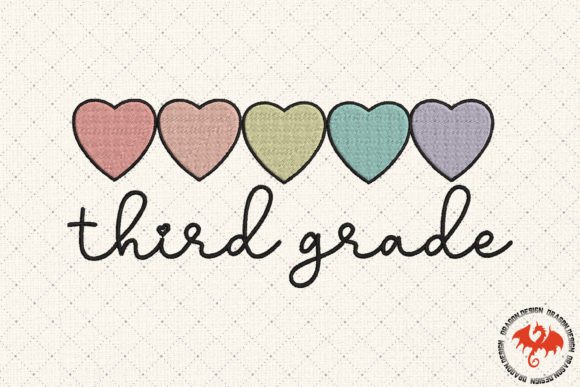
As an experienced embroidery designer, I am constantly evaluating new assets before integrating them into a client's collection. Recently, I received the Heart Third Grade design to test for a limited drop of premium sweatshirts for a small boutique brand. The product description labels this as a "Back-to-school embroidery" piece that is perfect for decorating clothes, home decor, and gifts. While the title suggests a playful theme, my job is to determine if it translates well from a digital preview to a tangible, high-quality finished product on fabric.
When first opening the file, the immediate impression of Heart Third Grade is one of approachable warmth. It feels less like a corporate logo and more like a handmade sentiment, which is exactly what we need for a cozy seasonal apparel line. The layout appears balanced, suggesting it will sit comfortably on various garment placements without overwhelming the wearer or getting lost in the folds of heavy cotton. For a small shop owner looking to create a cohesive look, this design offers a versatile foundation that bridges the gap between cute and commercial.
Fabric Texture and Color Contrast on Premium Sweats
The true test of any embroidery file lies in how it interacts with different fabric textures. In our upcoming project, we are planning to use a mix of neutral oatmeal, deep charcoal, and soft pastel lavender heavyweight fleece. My initial assessment is that Heart Third Grade possesses enough visual weight to stand out against the textured pile of a premium sweatshirt. On dark fabrics, the design requires careful selection of thread colors to ensure legibility; light metallics or bright pastels would pop beautifully against the charcoal, creating a bold yet feminine aesthetic.
On the lighter oatmeal and pastel hoodies, the design might appear softer and more rustic. This aligns perfectly with the "cozy" vibe we want to evoke for back-to-seasonal launches. However, I must advise caution when placing this on oversized hoodies. Because these garments often have slouchy shoulders and looser fits, the placement of the embroidery needs to be precise. If the design is too small, it may get lost in the drape of the fabric. Conversely, if it is too large, it could distort the shape of the hoodie chest area. The design seems to strike a good balance, but testing on the actual garment is essential to confirm the final look.
Strategic Placement for Boutique Branding
For an Etsy seller or a small clothing brand, versatility is key. Heart Third Grade is not just a chest piece; its composition allows for creative applications that can elevate a basic apparel item into a statement piece. Imagine this design placed on the sleeve cuff of a hoodie for a subtle accent, or centered on the back of a pullover for a larger, more decorative impact.
From a marketing perspective, this design is excellent for lifestyle product photography. The heart motif naturally draws the eye, making it ideal for mockup previews where the focus is on the emotional connection of the wearer. When listing items on Etsy, showing the finished product in a warm, natural light setting highlights the texture of the stitches and the quality of the stabilizer used underneath. This visual storytelling builds trust with customers who are looking for authentic, handmade-style goods rather than mass-produced prints.
We also considered using this as part of a custom apparel branding package. By combining Heart Third Grade with a simple text element, we could create a signature tag for the boutique. This level of detail helps establish a strong brand identity, making the merchandise instantly recognizable to returning customers. Whether used on tote bags or backpacks for school supplies, the design retains its charm across different mediums.
Technical Considerations for Commercial Embroidery
Beyond aesthetics, there are practical concerns that every professional decorator must address. When preparing Heart Third Grade for production, the stitch density is a critical factor. Heavyweight sweatshirt material requires a design that won't pucker the fabric but still maintains a crisp outline. If the design includes dense satin stitches, we must ensure the underlying stabilizer is robust enough to support the weight of the thread without tearing through the fleece.
Hoop placement is another vital step. Since this is intended for a sweatshirt embroidery project, the curved nature of the shoulder and chest areas can make consistent hoop alignment tricky. We will need to mark the center points carefully to ensure the heart sits straight and true on every single garment. Additionally, the durability of the design after washing cannot be overlooked. High-density designs on thick fabrics tend to hold up well, but the thread tension must be calibrated specifically for the polyester-cotton blend typical of modern hoodies.
I also had to consider the readability of the design at smaller sizes. If we decide to offer a version of this design for children's wear or smaller accessories, we must verify that the details do not become muddy when scaled down. If the file does not include specific instructions for hoop size or recommended thread types, it is crucial to check the original source documentation before running a full production batch. Commercial embroidery relies on consistency, and skipping these checks can lead to wasted materials and unhappy clients.
Enhancing Product Value and Customer Engagement
Ultimately, the choice of design assets directly impacts the perceived value of the final product. A well-executed digital embroidery file like Heart Third Grade signals quality to the buyer. When a customer receives a sweatshirt with clean, precise stitching that feels durable and thoughtfully designed, their trust in the brand increases. This is particularly important for handmade business owners who compete with fast fashion by offering unique, personalized items.
The "Back-to-school" theme adds a timely relevance to the design, tapping into the emotional excitement of the season. Parents and students alike are looking for items that feel special and personalized. By offering this design on premium apparel, a boutique brand can justify a higher price point because the craftsmanship is visible and tangible. The design acts as a conversation starter, encouraging social sharing and engagement among the target audience.
In conclusion, Heart Third Grade shows great promise for our upcoming collection. It balances playfulness with professionalism, making it suitable for a wide range of customers from young students to adults celebrating the start of a new chapter. With careful attention to thread selection, stabilizer support, and placement precision, this design can transform a standard sweatshirt into a cherished keepsake. For those looking to expand their design assets and create memorable custom apparel, this is a strong contender that deserves a spot in your studio library.