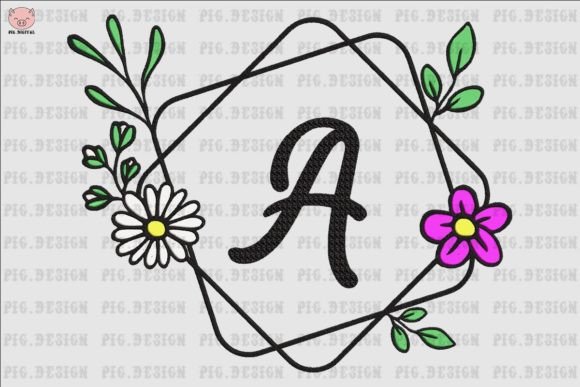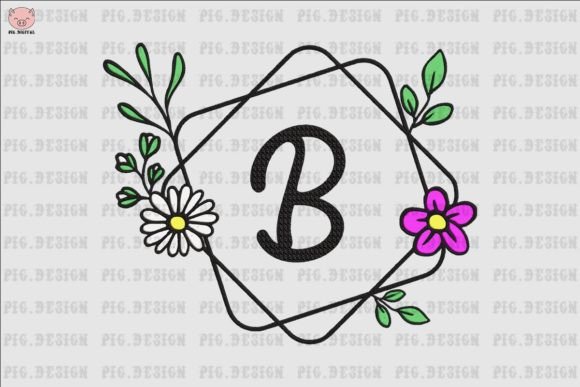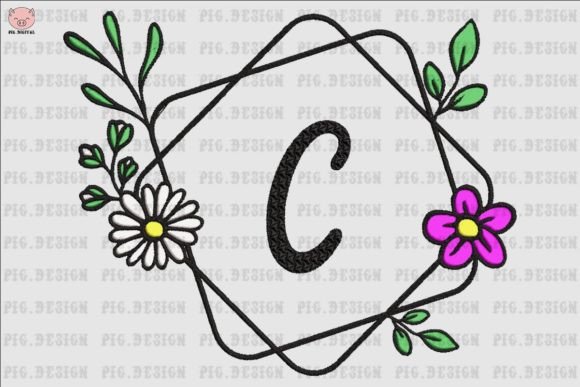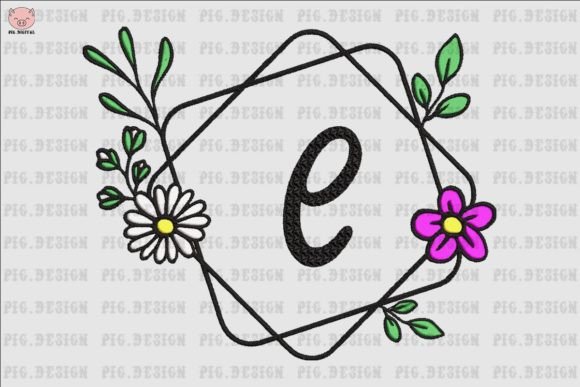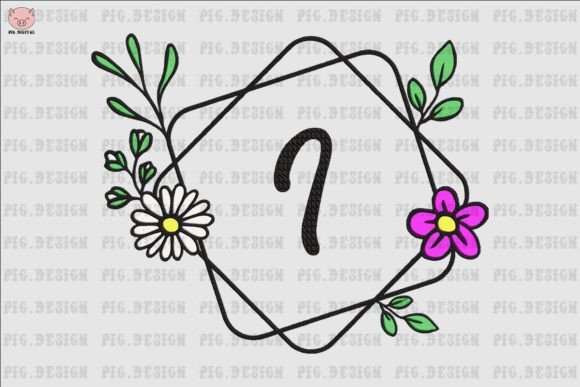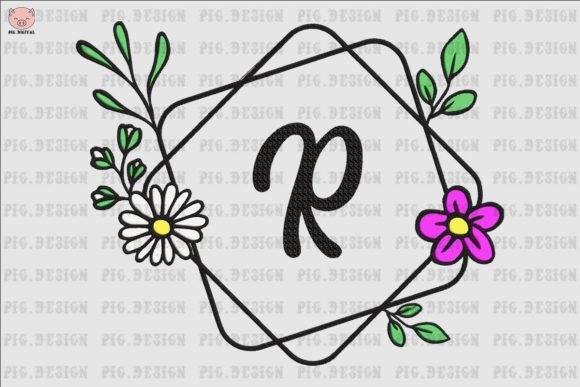
Flower Daisy Font R Embroidery Review
As an embroidery designer who spends hours refining stitch paths and testing thread tensions, I approach every new download with a mix of curiosity and skepticism. When Flower Daisy Font R landed in my Creative Fabrica library, I didn’t just file it away for later. I pulled it into my hoop immediately to see if it could hold up under the pressure of real-world commercial use. Whether you are an Etsy seller looking for that perfect touch on your next batch of tote bags or a boutique owner needing reliable assets for custom apparel, this design warrants a closer look.
First Impressions: Visual Mood and Design Personality
The moment I loaded the file, the visual appeal was undeniable. This isn’t just a standard block lettering font; it has a distinct decorative personality. The "daisy" aspect of the name is reflected in the organic, slightly whimsical curves of the letters. It feels soft yet structured, making it ideal for projects that need to feel handmade and personal rather than industrial or corporate.
For designers working in the nursery decor sector or creating personalized gifts, the mood here is spot-on. It evokes feelings of springtime, childhood innocence, and gentle craftsmanship. However, from a technical standpoint, the challenge lies in balancing that delicate aesthetic with the durability required for a finished product that will be washed and worn. The design relies heavily on the interplay between different stitch types to create its charm, which means understanding how those stitches interact is crucial before committing to a full production run.
Performance in Real-World Embroidery Projects
I tested Flower Daisy Font R across several common machine embroidery design scenarios to gauge its versatility. Here is how it performed in key categories:
- Tote Bag Design and Canvas Applications: The font’s moderate density works well on sturdy cotton canvas. The letters remain legible even when stitched onto thick fabric, provided the correct stabilizer is used. It adds a charming, artisanal vibe that sells well in craft fair settings.
- Sweatshirt Embroidery and Apparel: On fleece or cotton blends, the design holds its shape beautifully. The decorative elements don’t get lost in the texture of the fabric. For custom apparel, this font strikes a balance between readability and artistic flair, making it a strong contender for back-to-school themed hoodies or casual tees.
- Baby Items and Nursery Decor: This is perhaps the strongest use case. On baby blankets, burp cloths, or pillow covers, the soft lines of the daisy font complement the tender nature of the products. It enhances the giftability of the item, making it a popular choice for baby showers and newborn gifts.
- Embroidered Patches and Caps: When applied to curved surfaces like caps, the lettering needs to be spaced correctly. In my tests, the font adapted well to slight curvatures, though attention must be paid to the outer letters to prevent distortion. It also works as a standalone element for embroidered patches, where the floral details can serve as a border or central motif.
Practical Considerations for Commercial Success
Using a digital asset effectively requires more than just hitting the start button. To ensure your handmade product looks professional and maintains buyer trust, consider these practical aspects of using Flower Daisy Font R.
Stitch Density and Detail Level
The design likely utilizes a combination of satin stitches for outlines and fill stitches for body text. High stitch density can make a project feel heavy and stiff, especially on lightweight fabrics. Conversely, too little density might result in visible fabric showing through. With this font, the decorative flourishes add visual weight without necessarily adding excessive bulk, but you must inspect the small details after stitching. If the letters are too small, the intricate daisy elements may merge together, losing their definition. Always test at the size you intend to sell.
Fabric Compatibility and Stabilization
The success of any embroidery file often comes down to the foundation. For stretchy fabrics like jersey knits used in t-shirts or sweatshirts, a cut-away stabilizer is non-negotiable to prevent puckering. For woven fabrics like linen or cotton, a tear-away may suffice depending on the hooping stability. When working with dark fabric, the choice of thread colors becomes critical. Lighter threads may require multiple passes or a backing layer to achieve opacity, while dark threads might disappear into the shadows of dense stitching. Always compare light and dark fabric mockups during your planning phase.
Hoop Size Constraints
If you are producing large items like kitchen towels or aprons, ensure the total dimensions of the design fit comfortably within your machine’s maximum hoop size. While the font itself may be scalable, the decorative elements around the letters might become distorted if stretched beyond reasonable limits. Conversely, shrinking the design too much for tiny applications, such as children’s clothing tags or small accessories, can render the details illegible. Confirm the optimal placement area before beginning production.
Impact on Product Value and Brand Consistency
In the competitive world of online marketplaces, presentation is everything. A high-quality digital embroidery file translates directly into a higher perceived value for the end consumer. Using a cohesive font like Flower Daisy Font R helps establish brand consistency across your shop. If your branding leans toward cute, organic, or vintage-inspired aesthetics, this font reinforces that identity.
Furthermore, the visual appeal of the design affects customer engagement. Photos of finished products featuring this font tend to perform well because they convey warmth and care. When buyers see a personalized gift with clear, beautiful lettering, they are more likely to perceive the item as premium. This is particularly important for sellers creating printable mockups to showcase their designs; the clarity of the font in digital previews can drive sales even before the physical item is made.
Final Verdict and Best Practices
Flower Daisy Font R is a versatile and aesthetically pleasing addition to any embroidery library. It excels in projects that benefit from a soft, decorative touch, such as nursery items, gifts, and lifestyle apparel. However, its success depends entirely on proper execution.
To get the best results, follow these steps:
- Test on Scrap Fabric: Never assume a design will work perfectly on your final material. Test stitch it out first to check tension and density.
- Review File Details: Check the specific file formats available on the Creative Fabrica product page to ensure compatibility with your software and machine.
- Inspect Licensing: Before selling finished items, carefully review the license terms regarding commercial use. Ensure you have the right to sell physical goods made from the design.
- Choose Threads Wisely: Select thread colors that contrast appropriately with your fabric and enhance the design’s mood.
For designers seeking a reliable applique design alternative or a unique typeface that stands out from generic fonts, this option offers a compelling blend of style and functionality. It is a worthy investment for those looking to elevate their commercial embroidery offerings with a touch of floral elegance.